Digital Calendars for Office and Workspaces

Improve productivity with Digital Calendars for Office and Workspaces. Manage meetings, deadlines, and team schedules with ease and clarity.
When dealing with deadlines and meetings, I began using electronic diaries in the workplace and offices as it became too stressful to deal with. Sticky notes and paper schedules were not effective anymore. Team members were not informed frequently or misinterpreted due to the schedule. I had to have a single transparent system which all could depend on. A computerized calendar promised accessibility and synchronization. That ruling transformed the ways of arranging workdays.
Communication increased fast after the introduction of a digital calendar into the space. Meetings could be easily followed. The deadlines were made more apparent. There was a necessity to make fewer reminders during the day. We all remained on track towards common objectives. A calendar was put at the centre stage.
Amazon Affiliate Disclaimer
https://digicalendars.com participates in the Amazon Services LLC Associates Program, an affiliate advertising program designed to provide a means for websites to earn fees by linking to Amazon.com and other affiliated sites. As an Amazon Associate, we earn from qualifying purchases made through the links on our website. This does not affect the price you pay your support simply helps us maintain the site and continue offering honest, valuable reviews and recommendations.
Why Offices Need Digital Calendars
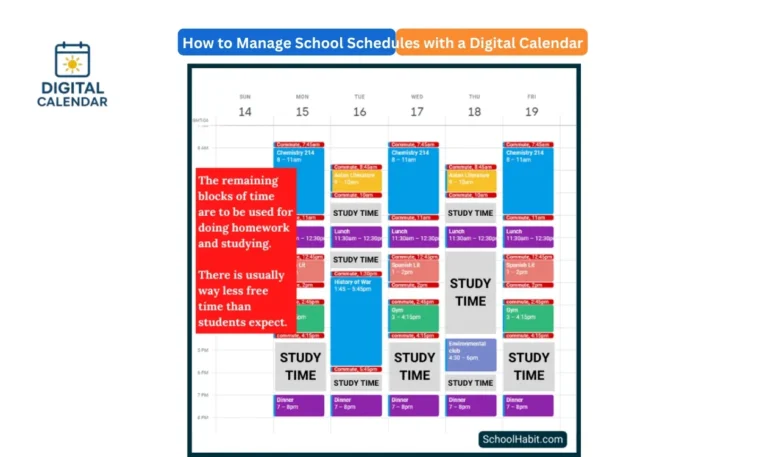
Offices have to cope with the daily scheduling requirements. There is an overlapping of meetings, deadlines and tasks. Use of memory or emails is confusing. All the work schedules are centralized in a digital calendar. This becomes clear and this minimizes the errors. All people are aware of what is going on.
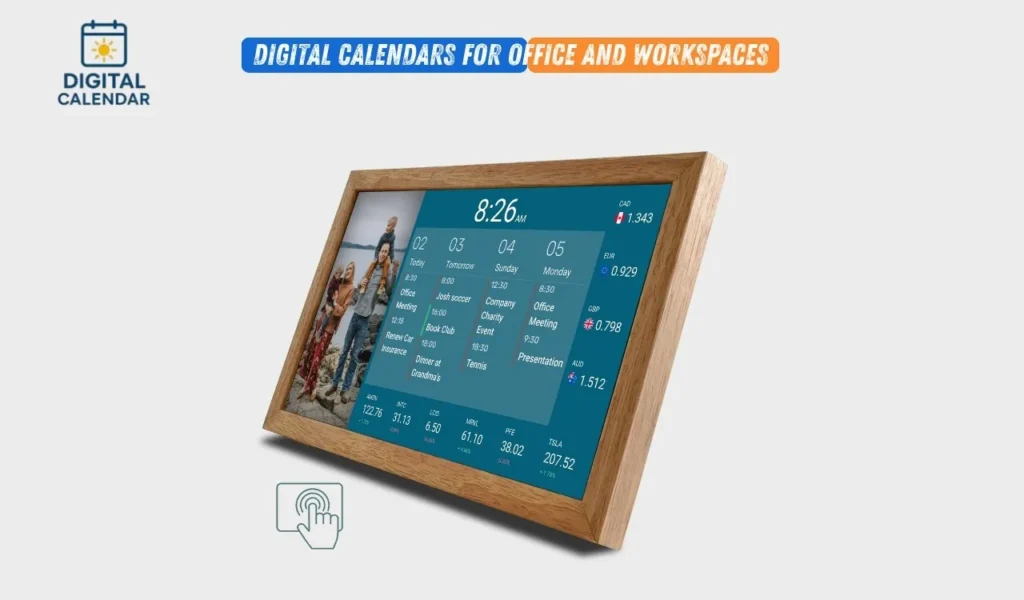
I have had fewer scheduling conflicts afterward following the use of one. The team members regularly checked the calendar. Communication was made more open. The level of stress associated with the missed meetings reduced. Internal process enhanced in departments. The office was more organized.
Best Digital Calendars
Centralizing Meetings and Deadlines
Centralization is one of the benefits. All meetings and deadlines are displayed at a single point, providing visibility. This avoids duplication of bookings. Planning becomes more authoritative, and all people are kept updated automatically.
Centralization is economical in terms of time wastage. One does not have to go through emails. Updates appear instantly. The calendar turns into the object of truth. There is greater trust in scheduling. The increase in productivity occurs automatically.
How to Use Digital Calendar’s Features – Complete Guide
How to Use Digital Calendar’s Features 2 – Complete Guide
Improving Team Communication
Unlike analogue calendars, digital ones enhance communication without any additional effort. Visibility ensures that everybody is informed. There are schedules known by team members. This minimizes interruptions at work.
I did not see as many clarification messages. The employees instead depended on the calendar. Responsibilities were made more transparent. Teamwork enhanced effortlessly. The teamwork was supported by the calendar. This facilitated workflow.
Best Digital Picture Frames
Handling Schedule Changes Efficiently
Work schedules change often. Meetings are rescheduled or cancelled. This is taken care of by a digital calendar. News is available immediately to all. No confusion follows.
This gave flexibility to eliminate last minute stress. Teams were able to change in a very short period. Planning remained accurate. The calendar was a real-time reacting one. This consistency is critical in offices that work at a fast pace.
Digital Calendars
Supporting Daily Work Routines
Offices are more effectively managed through regular routines. Workflows are presented in digital calendars. Meetings and tasks remain visible on a regular basis. This reinforces discipline. Teams stay on track.
Exposure to routines on a daily basis lowers the fatigue of decisions. The employees are aware of what is expected. Workflows feel predictable. The calendar facilitates organization. In the course of time, productivity is enhanced.
Managing Tasks and Responsibilities
Activities are more understandable when presented in a visual form. Online appointments are assigned duties without ambiguity. Everyone knows their role. The accountability is enhanced naturally.
Digital calendars help offices by:
- Displaying meetings clearly
- Tracking deadlines accurately
- Reducing scheduling conflicts
- Improving coordination
- Supporting accountability
Tasks are completed more efficiently. Stress decreases. Workflows become smoother. Management feels lighter.
Ease of Use for All Employees
There are offices that consist of individuals of various technical expertise. The digital calendars are meant to be easy. Clear schedules assist all people in deciphering schedules. No training is required.
Facial compatibility fosters adoption. The calendar is naturally checked by the employees. The system becomes part and parcel of work. Ease of use brings about consistency. That uniformity is important in terms of productivity.
Reducing Workplace Stress
Less stress was one of the observable positive effects. Everybody was aware of their agenda, ensuring better clarity. Missed meetings became rare, and the mental load decreased.
The calendar was an organizer of a low profile. Teams trusted the system. Fewer conflicts occurred. The level of stress decreased throughout the workspace. This enhanced the general working environment.
Adapting to Growing Teams
With the increase of offices, the process of scheduling gets complicated. Online calendar is flexible. New team members are added. New schedules fit in well.
This is a flexibility that can be used long-term. The calendar develops with the organization. It remains relevant. Flexibility maintains productivity of work. Planning stays organized.
Adapting to Growing Teams
The last process is office culture integration. The calendar is added to the everyday routine. It is checked by the employees regularly. It does not feel forced.
With time the dependency increases. Communication improves. It becomes automated in organization. The clock promotes labour without noise. Such an integration is its success.
Conclusion
In my case, office and workspaces require having digital calendars. They introduce simplicity, order and understanding. Schedules are made transparent and predictable. Stress reduces naturally. The productivity is enhanced continuously.
A digital calendar makes organization in the workplace change when utilized correctly. It facilitates communication, routine and accountability. Shared visibility is beneficial to the teams. In the case of modern offices, this tool is no longer a choice.
FAQs: Digital Calendars for Office and Workspaces
Fore more information about Digital Calendars and Picture Frames ,then hit the button.